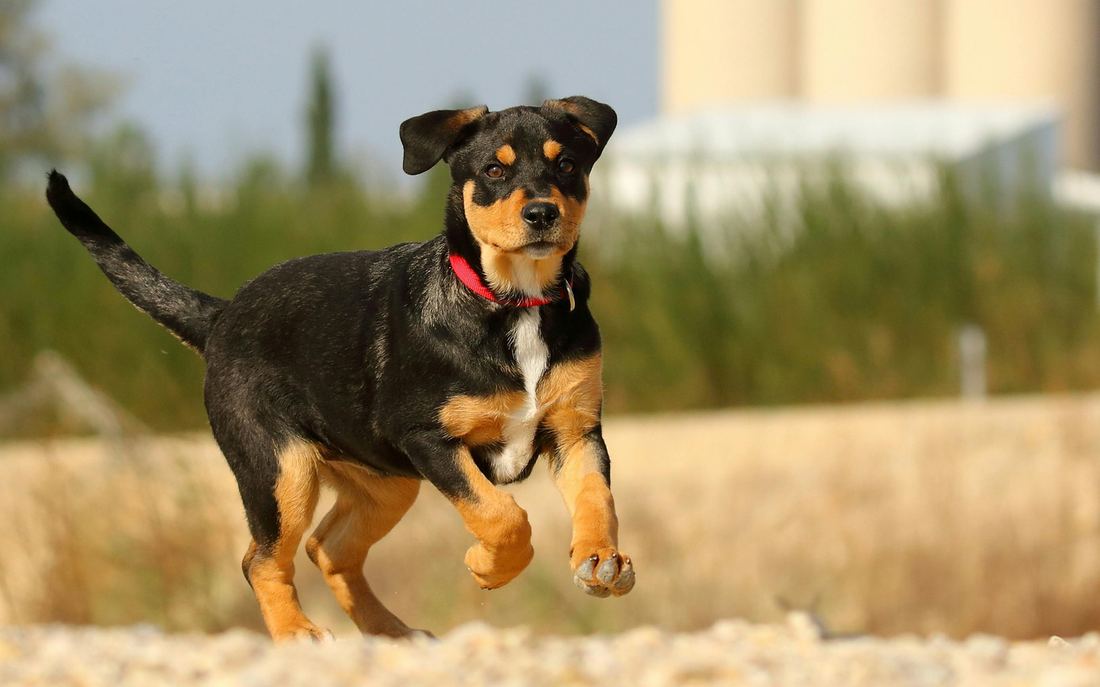

Every pet must be registered

England

Wales

Scotland

Northern ireland

All cats and dogs in England must be registered on a DEFRA approved national database. Register your pet today!

We provide the latest compliance information to pet owners and pet professionals

Access clear, up-to-date guidance on pet regulations, standards, and best practice. Our Pet Compliance App gives you real-time updates, practical tools, and everything you need to stay compliant with confidence and access to free pet products and services.

Free National Pet Schemes

Free Pet Microchips

Pet microchipping refers to the requirement for cats and dogs to be fitted with a compliant microchip and have their details recorded on an approved database, in line with current legislation.

Key requirements:

  • Dogs must be microchipped before 8 weeks of age

  • Cats must be microchipped before 20 weeks of age

  • Microchips must comply with ISO standards (ISO 11784 and ISO 11785)

The aim is to improve animal welfare, support reunification, and ensure owners and professionals meet their legal responsibilities.

Legislation:

The Microchipping of Cats and Dogs (England) Regulations 2023

Implanter Training

We provide the latest compliance information to pet owners and pet professionals

Implanter training refers to the requirement for individuals implanting microchips to be appropriately trained and competent, in line with current legislation and best practice standards.

Key requirements:

  • Suitably trained to carry out microchipping procedures

  • Follow correct implantation techniques to protect animal welfare

  • Understand their legal responsibilities when implanting microchips

The aim is to ensure safe and consistent microchipping practices, protect animal welfare, and support compliance across the industry.

Legislation:

The Microchipping of Cats and Dogs (England) Regulations 2023

Free ID Tags

ID tags refer to the requirement for dogs to wear a collar with a tag or badge displaying the owner's details when in a public place, in line with current legislation.

Key requirements:

  • Dogs must wear a collar with an ID tag when in a public place

  • The tag must include the owner's name and address

  • The information must be clearly legible and up to date

The aim is to enable quick identification of dogs, support their safe return if lost, and ensure owners meet their legal responsibilities.

Legislation:

The Control of Dogs Order 1992

Free GPS Tracking

GPS tracking refers to the use of tracking collars to monitor a dog's location and reduce the risk of it becoming lost or classified as a stray under current legislation.

Key requirements:

  • Dogs must not be allowed to stray and must be kept under proper control

  • Local authorities have powers to seize and detain stray dogs

  • Owners may face fines or charges if their dog is found wandering or unaccounted for

The aim is to help prevent dogs from going missing, reduce the risk of seizure or penalties, and support owners in maintaining control and compliance at all times.

Legislation:

Environmental Protection Act 1990 and Clean Neighbourhoods and Environment Act 2005

Pet Mind

Pet Mind helps you find and connect with someone you trust to look after your pet while you're away. You choose the person, and any arrangements are made directly between you and them.

Key considerations:

  • Make sure your pet has plenty of enrichment and mental stimulation to support their wellbeing

  • Avoid leaving your pet in situations that could cause stress, anxiety, or behavioural issues

  • Ensure appropriate care and supervision is in place with the person you've chosen

This approach supports responsible pet ownership and helps protect your pet's physical and mental health, while keeping arrangements personal and based on your choice.

Legislation:

The Animal Welfare (Licensing of Activities Involving Animals) (England) Regulations 2018

National Pet Database

National databases refer to the requirement for microchipped pets to be recorded with accurate and up-to-date keeper details, ensuring they can be identified and returned if lost.

Key requirements:

  • Microchipped pets must be registered on a compliant database

  • Keeper details must be accurate and kept up to date

  • Changes to keeper details must be recorded promptly

The aim is to support the identification and return of lost pets, ensure accurate ownership records, and maintain compliance with current legislation.

Legislation:

The Microchipping of Cats and Dogs (England) Regulations 2023

Pet Compliance Law

Pet Compliance News

Pet Compliance Law

Dog & Cat Microchipping (England)

Requires dogs and cats to be microchipped and recorded on an approved database.

The Microchipping of Cats and Dogs (England) Regulations 2023

Identification

Requires dogs in public places to wear a collar with a clearly readable and current tag displaying the owner's name and address.

The Control of Dogs Order 1992

Breeding

Establishes licensing and welfare standards for breeding animals, including restrictions on third-party sales under "Lucy's Law".

The Animal Welfare (Licensing of Activities Involving Animals) (England) Regulations 2018

Dog Microchipping (Wales)

Mandates that all dogs in Wales are microchipped and registered from 8 weeks old.

The Microchipping of Dogs (Wales) Regulations 2015


Animal Welfare

Places a legal responsibility on owners to meet the welfare needs of their animals at all times.

Animal Welfare Act 2006

Dog Microchipping (Scotland)

Requires every dog in Scotland to be microchipped and linked to a registered keeper.

The Microchipping of Dogs (Scotland) Regulations 2016

Pet Travel

Sets out the rules for moving pets into and out of Great Britain, including passport, health, and documentation requirements.

The Non-Commercial Movement of Pet Animals Order 2011


Stray Animals

Places responsibility on owners to prevent dogs from straying, with local authorities authorised to seize and detain animals found uncontrolled.

Environmental Protection Act 1990 and Clean Neighbourhoods and Environment Act 2005

Dangerous Dogs

Makes it an offence for a dog to be dangerously out of control and places restrictions on certain breeds.

Dangerous Dogs Act 1991

Pet Compliance News